
Security Bat Control & Bat Removal Services
Bat Control
& Removal
Bat removal specialists serving Eastern Massachusetts since 1993. Bat exclusion is the only proper way to rid a dwelling of bats: we identify every current entry point, fit temporary one-way bat doors, and seal the structure so the colony leaves and cannot get back in.
Bat Removal Specialists
Bat Removal using Bat Exclusion Techniques
Bat exclusion is the only proper bat control method to rid bats from a dwelling. Our technique involves identifying all current bat entry points and properly installing custom temporary one-way bat exit doors at these locations. All other openings large enough for bat entry are sealed up at this time. This is the most critical part of the bat removal procedure. If openings currently being used by the bats are prematurely sealed up, the bats are trapped inside the house. They then seek new ways out, travelling down wall voids and pipe chases from the attic. Some of the colony start showing up nightly inside the living areas, and others are trapped inside the walls and die — followed by a foul smell, a fly infestation and maggots emerging from wall areas.
One-way bat doors allow bats to leave the structure but prevent them from re-entering. Once all resident bats have exited, the temporary devices are removed and the openings behind them are immediately sealed. Although exclusion is the best way to rid structures of bats, knowledge and timing are critical. In older construction, or homes with complex rooflines, there may be several entry points that are difficult to discover and even harder to reach; if all openings are not found and sealed, bat problems will continue. Entry points are often high off the ground, requiring large extension ladders and specialized climbing gear. We are highly trained and fully insured for this type of work.
*Falling is a much more common accident than being bitten by a rabid bat — which is why only an experienced bat exclusion expert should be doing bat removal work.
The Problem
Brown Bats
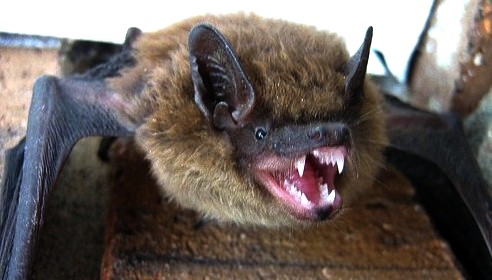
The bat species most commonly found in Massachusetts homes are the big brown bat and the little brown bat. Bats use echo-location to find flying insects at night, much like sonar helps ships locate objects under water, and they also have good night vision — they are not blind, as myth would have it. Brown bats feed exclusively on insects and consume many pest species, but they prefer to expend the least amount of energy to obtain their food, typically capturing larger insects such as night-flying moths. They do not live up to their reputation for controlling mosquitoes.
Bats are considered beneficial animals, but in certain situations they pose a threat to human health. If you get a bat inside your Massachusetts house, it does mean a colony of bats is living inside your attic or walls. Bats do not fly inside your house at night unless they are already living there — they come out at night to feed on flying insects, not to look for them in your bedroom.
Signs of Bats in Your House
Guano on window sills
Droppings on outside sills or on top of a window AC unit.
Droppings on the roof
Or on the ground next to the foundation below an entry point.
A musty ammonia odour
Noticeable in the attic or an upstairs bedroom.
Droppings in the attic
The most common sign — on the attic floor or insulation.
A bat indoors
A sure bet that a colony is living in your attic or upper walls.
How It Works
Our Bat Exclusion Process
01
Inspection & Entry Point Survey
A licensed technician surveys the attic and the full exterior for roosts, guano and every gap the bats are using. On older construction and complex rooflines, finding all of them is what the whole job rests on.
02
One-Way Doors & Sealing
Temporary one-way bat doors go on the openings still in use and the rest of the structure is sealed, so the colony can leave and cannot get back in. Knowledge and timing are critical here, so the work is scheduled accordingly.
03
Final Seal & Guano Removal
Once every bat has exited, the temporary devices come off and the openings behind them are sealed immediately. Licensed bat guano removal and attic clean-up finish the job.
Wildlife Information
Bat Facts
Big brown and little brown bats are the species found in MA homes
Bats use echo-location to find flying insects at night
Bats are not blind — they also have good night vision
Brown bats feed exclusively on insects
They prefer larger prey such as night-flying moths
They do not live up to their reputation for eating mosquitoes
Rabies is found in bats more than any other wildlife species
Typically under 5% of bats tested for rabies are found to be rabid
Raccoons and skunks are the next most infected animals
Bat droppings crumble easily into tiny shiny specs
Seeing large piles of bat droppings is extremely rare
There are no pesticides registered for bat control
Signs of Bats in Your House
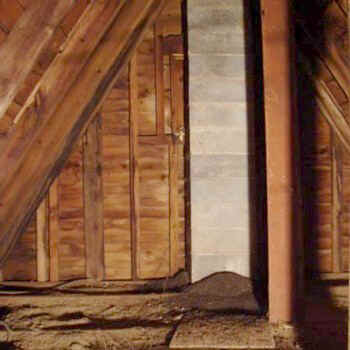
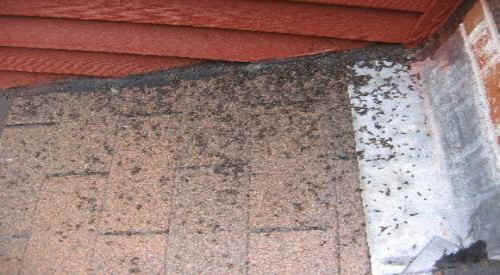
Signs of roosting bats in a dwelling include seeing bat guano on the outside window sills, guano on top of a window-mounted AC unit, and droppings on the roof or on the ground next to the foundation. You might also notice a musty ammonia odor in the attic or an upstairs bedroom. The most common sign of bats in a house is the presence of bat droppings on your attic floor or insulation. Seeing large piles of bat droppings is extremely rare — usually the droppings fall into wall voids or some other hidden area, out of plain view. Bat droppings, unlike other animal droppings, crumble easily on contact into tiny shiny specs.
If a bat is found indoors, the structure should be thoroughly inspected for the presence of roosting bats. Structure-infesting bats pose a health risk and must be prevented from entering occupied rooms. Bats can enter living quarters through passageways such as ductwork, holes in walls, attic doors, the chimney, false ceilings, and gaps around pipes and wiring.
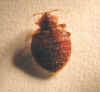
Batbugs
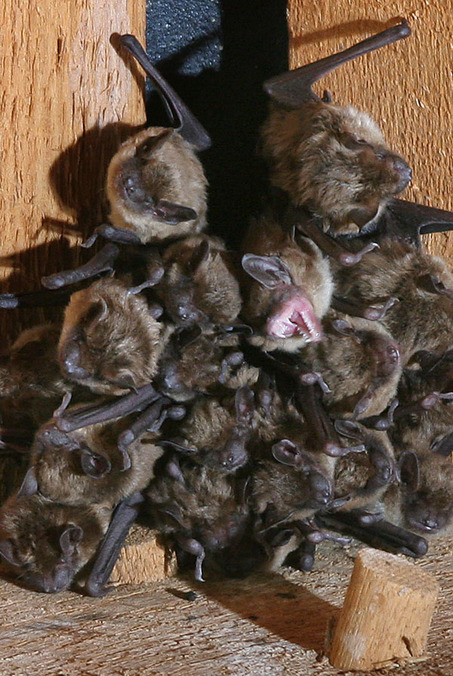
By the time you get this many bats, it is common to also have developed a problem with either bat bugs, lice, or mites. Batbugs are cousins to bedbugs and act very similar. Once a batbug exclusion and removal job is accomplished and the bats are relocated, bat bugs will begin to roam in search of a new host, unless some preventative pest control is performed.
Health Problems from Bats
Histoplasmosis is a disease associated with bat guano and bird droppings in Massachusetts and throughout. When their droppings accumulate, a fungus (Histoplasma capsulatum) can grow and produce spores that may cause histoplasmosis when inhaled. Where bat or bird droppings accumulate, in an attic for example, care should be taken to avoid contracting this disease.
Clean up generally involves disinfecting the droppings before removal and wearing personal protective equipment, including a HEPA-equipped respirator or self-contained breathing apparatus. Removal of large amounts of guano or droppings from structures should be left to experienced professionals familiar with proper removal procedures.
Rabies
Rabies is a viral disease causing encephalitis (brain inflammation). Humans can become infected when bitten by a rabid bat. Rabies is found in bats more than any other wildlife species; the next most infected animals are raccoons and skunks. Yet it should be noted that typically less than 5 percent of bats tested for rabies are found to be rabid. Transmission can also occur when an infected bat’s saliva (but not blood, urine or feces unless these are mixed with spinal fluid, as can happen when a bat is beaten or crushed) comes in contact with a person’s eye, nose, mouth, a scratch or wound.
The incubation period varies tremendously. Symptoms could appear within a few weeks or be delayed as long as 2 years, but it is usually one to three months. Initial symptoms in humans may be flu-like and progress to confusion, anxiety, agitation, insomnia, delirium, hallucinations and other abnormal behavior. To be effective, treatment should begin as soon as possible after exposure — once symptoms appear, rabies is almost always fatal.
Rabid bats may exhibit no obvious abnormalities, so all contact with bats should be avoided, especially if a bat is seen flying outside in the daytime, flopping around on the ground or found indoors. People should not be allowed to occupy a room in which bats are found until it is certain that no bats remain and the room has been sealed to prevent re-entry. Any bat suspected of having physical contact with a person should be captured and submitted for rabies testing — do not try to catch the bat yourself. Call us, your local animal control office or your health department; they can remove the bat safely and arrange rabies testing. If the suspect bat tests negative, rabies treatment can be avoided.
If a bat bites someone or has physical contact with a person, the contact area should be washed immediately with soap and water. Unfortunately, bat scratches and bites are very small and may go unnoticed, so it may be impossible to know if contact has occurred. These situations occur when a bat is found in the same room with a sleeping person, an infant or small child, a person with diminished sensory or mental capacity, or someone under the influence of alcohol or drugs. Whenever a bat has physical contact with a person, or is suspected of it, the bat should always be captured if possible, and the incident reported immediately to a physician and local health authorities to assess the need for rabies treatment.
Bat Control — Home Remedies
Popular home remedies for eliminating bats are just temporary, ineffective, and/or illegal. There are no pesticides registered for bat control. Moth balls or crystals (naphthalene) can be temporarily effective, but an attic requires three to five pounds to be used and changed every few weeks — this will cause your home to reek of moth balls for years. Bright lights may initially be effective, but are just temporary controls. In addition, ultrasonic and electromagnetic devices do not effectively repel bats, rodents or insect pests, despite advertising claims.
Common Questions
Bat Removal FAQs
Almost certainly. Bats come out at night to feed on flying insects, not to investigate someone’s home. A bat found inside is a sure bet that a colony is living in your attic or upper walls, so the structure should be thoroughly inspected for roosting bats.
Because that traps the bats inside. They then travel down wall voids and pipe chases looking for a way out — some appear nightly in your living areas, and the rest die in the walls, which brings a foul smell, a fly infestation and maggots emerging from wall areas. Openings are only sealed once the one-way doors have let every resident bat out.
Rabies is found in bats more than any other wildlife species, though typically under 5 percent of bats tested are rabid. The bigger everyday risk is histoplasmosis from accumulated guano. Bat scratches and bites are very small and may go unnoticed, so any bat found in a room with a sleeping person, infant or small child should be captured and the incident reported to a physician and local health authorities.
It can be. When droppings accumulate, the fungus Histoplasma capsulatum can grow and produce spores that cause histoplasmosis when inhaled. Cleanup means disinfecting before removal and wearing protective equipment including a HEPA-equipped respirator, so large amounts should be left to experienced professionals.
No. There are no pesticides registered for bat control. An attic needs three to five pounds of naphthalene changed every few weeks, which leaves the house reeking for years. Bright lights are temporary at best, and ultrasonic and electromagnetic devices do not effectively repel bats, rodents or insects despite advertising claims.
Not really. Brown bats feed exclusively on insects and do consume many pest species, but they prefer to expend the least energy for their food and typically take larger prey such as night-flying moths. They do not live up to their reputation for controlling mosquitoes.
Service Area
We Perform Bat Removal Services to all the following MA & NH Towns
- Acton, MA
- Arlington, MA
- Ashby, MA
- Ashland, MA
- Ayer, MA
- Bedford, MA
- Belmont, MA
- Billerica, MA
- Boxborough, MA
- Burlington, MA
- Cambridge, MA
- Carlisle, MA
- Chelmsford, MA
- Chestnut Hill, MA
- Concord, MA
- Dracut, MA
- Dunstable, MA
- Everett, MA
- Framingham, MA
- Groton, MA
- Holliston, MA
- Hopkinton, MA
- Hudson, MA
- Lexington, MA
- Lincoln, MA
- Littleton, MA
- Lowell, MA
- Malden, MA
- Marlborough, MA
- Maynard, MA
- Medford, MA
- Melrose, MA
- Natick, MA
- Newton, MA
- Newton Highlands, MA
- North Reading, MA
- Pepperell, MA
- Reading, MA
- Shirley, MA
- Somerville, MA
- Stoneham, MA
- Stow, MA
- Tewksbury, MA
- Tyngsborough, MA
- Wakefield, MA
- Waltham, MA
- Watertown, MA
- Wayland, MA
- West Cambridge, MA
- Westford, MA
- West Medford, MA
- West Newton, MA
- Weston, MA
- Wilmington, MA
- Winchester, MA
- Woburn, MA
- Amesbury, MA
- Andover, MA
- Beverly, MA
- Boxford, MA
- Bradford, MA
- Byfield, MA
- Danvers, MA
- Essex, MA
- Georgetown, MA
- Gloucester, MA
- Groveland, MA
- Hamilton, MA
- Haverhill, MA
- Ipswich, MA
- Lawrence, MA
- Lynn, MA
- Lynnfield, MA
- Manchester-by-the-Sea, MA
- Marblehead, MA
- Merrimac, MA
- Methuen, MA
- Middleton, MA
- Nahant, MA
- Newbury, MA
- Newburyport, MA
- North Andover, MA
- Peabody, MA
- Rockport, MA
- Rowley, MA
- Salem, MA
- Salisbury, MA
- Saugus, MA
- Swampscott, MA
- Topsfield, MA
- West Newbury, MA
- Boston, MA
- Brighton, MA
- Charlestown, MA
- Chelsea, MA
- Dorchester, MA
- East Boston, MA
- Hyde Park, MA
- Jamaica Plain, MA
- Revere, MA
- Roslindale, MA
- South Boston, MA
- South End Boston, MA
- Winthrop, MA
- Avon, MA
- Braintree, MA
- Brookline, MA
- Canton, MA
- Cohasset, MA
- Dedham, MA
- Dover, MA
- Foxborough, MA
- Franklin, MA
- Holbrook, MA
- Medfield, MA
- Medway, MA
- Millis, MA
- Milton, MA
- Needham, MA
- Norfolk, MA
- Norwood, MA
- Quincy, MA
- Randolph, MA
- Sharon, MA
- Stoughton, MA
- Walpole, MA
- Wellesley, MA
- Abington, MA
- Bridgewater, MA
- Brockton, MA
- Carver, MA
- Duxbury, MA
- East Bridgewater, MA
- Halifax, MA
- Hanover, MA
- Hanson, MA
- Hingham, MA
- Hull, MA
- Kingston, MA
- Marshfield, MA
- Middleborough, MA
- Norwell, MA
- Pembroke, MA
- Plymouth, MA
- Plympton, MA
- Rockland, MA
- Scituate, MA
- West Bridgewater, MA
- Auburn, MA
- Berlin, MA
- Blackstone, MA
- Bolton, MA
- Boylston, MA
- Clinton, MA
- Douglas, MA
- Dudley, MA
- Fitchburg, MA
- Grafton, MA
- Harvard, MA
- Hopedale, MA
- Lancaster, MA
- Leominster, MA
- Lunenburg, MA
- Mendon, MA
- Milford, MA
- Millbury, MA
- Millville, MA
- Northborough, MA
- Northbridge, MA
- Oxford, MA
- Princeton, MA
- Shrewsbury, MA
- Southborough, MA
- Sterling, MA
- Sutton, MA
- Upton, MA
- Uxbridge, MA
- Webster, MA
- Westborough, MA
- West Boylston, MA
- Westminster, MA
- Worcester, MA
- Derry, NH
- Hollis, NH
- Hudson, NH
- Litchfield, NH
- Londonderry, NH
- Nashua, NH
- Pelham, NH
- Plaistow, NH
- Salem, NH
- Windham, NH
Don’t see your town listed? Please call to see if we service that area.
Related Service