
Security Bed Bug Exterminators
Bed Bug Treatment
& Control
Security Pest is an industry leader in bed bug treatments, serving Eastern Massachusetts since 1993. We have successfully treated over 5,000 bed bug infestations, and our bed bug exterminators average over 15 years of experience performing them.

Massachusetts Bed Bug Specialists
We Specialize in Bed Bug Eradication… Not Just… Bed Bug Control
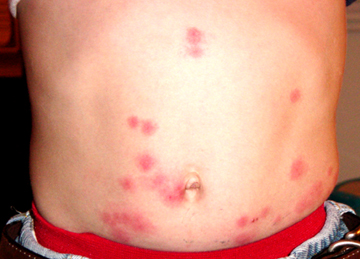
To completely eliminate a bed bug infestation from your Massachusetts dwelling it is necessary to treat more than just the room where people are getting bitten at night. Most of the bedbugs will be in the room close to the person getting bitten, but they can travel quite quickly across floors, walls and ceilings. They get spread around the home when we move items such as clothing, or any other item that might have been kept in an area with a bed bug infestation. Thus, bed bugs are also commonly found in the laundry room and the living room. If bed bugs in the living room find someone sleeping on the couch, that room also will quickly become infested. The best way to totally eliminate a bed bug infestation is to thoroughly treat the problem room along with all surrounding areas.
Successful bed bug extermination requires an experienced bed bug exterminator. Only a skilled and experienced pest control technician can find and completely eliminate a bed bug infestation from your home or apartment. We perform many bed bug pest control treatments every month. Bed bugs aren’t just found in urban areas — people who travel a lot have a greater chance of picking up bed bugs in their suitcases from motel and hotel rooms and bringing them back to their homes.
*Security Bed Bug Control performs 2 scheduled bed bug treatments spaced about 2 weeks apart to ensure complete bed bug extermination. Follow-up coverage is set out in our service agreement. Call us at (800) 362-2687 anytime between 8:00AM and 5:00PM for any questions or pricing information.
The Problem
Bedbugs Are Back
In the past decade, bed bugs have begun making a comeback across the United States. Massachusetts has been particularly hard hit because of all the traveling our citizens do. International travel and commerce are thought to facilitate the spread of these insect hitchhikers, because eggs, young, and adult bed bugs are readily transported in luggage, clothing, bedding, and furniture. Bed bugs can infest airplanes, ships, trains, and buses.
Bed bugs are most frequently found in Massachusetts dwellings with a high rate of occupant turnover, such as hotels, motels, hostels, dormitories, shelters, nursing homes, apartment complexes, tenements, and prisons. Such infestations usually are not a reflection of poor hygiene or bad housekeeping.
Warning Signs to Watch For
Bites overnight
Rows of three or so painless welts on skin exposed while asleep.
Bloodstains
Marks on sheets and mattresses from bugs crushed during the night.
Rusty or dark spots
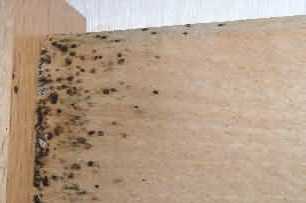
Excrement speckling on bedclothes, mattresses, bed frames and walls.
Eggshells and shed skins
Found near harborage sites close to where you sleep.
A sweet, musty odour
An offensive scent-gland smell, detectable when an infestation is severe.
How It Works
Our Bed Bug Treatment Process
01
Thorough Inspection & Detection
We inspect the mattress, box springs and bed frame, plus the cracks and crevices bed bugs hide in — and the adjoining units, because an infestation rarely stays in one room.
02
First Treatment & Aftercare
A low-odor application is worked into every harborage we found. You then stay out about four hours while surfaces dry, launder bedding hot and dry it on the hot setting, and fit zippered mattress and box spring covers.
03
Second Treatment & Follow-Up
A second scheduled treatment about two weeks later completes the extermination, catching anything that has hatched since the first, with follow-up coverage set out in our service agreement.
Insect Information
Bed Bug Facts



Adults are brown to reddish-brown and 3/16 to 1/5 inch long
Eggs are white and about 1/32 inch long
Females lay from one to twelve eggs per day
Eggs hatch in 6 to 17 days and nymphs feed immediately
Bed bugs reach maturity after five molts
Egg to adult takes 21 days at 86°F, 120 days at 65°F
They can go without feeding for 80 to 140 days
Adults have survived without food for as long as 550 days
A bed bug can take six times its weight in blood
Feeding takes 3 to 10 minutes
Adults live about 10–14 months
There can be 3 to 4 generations of bed bugs per year
Bedbug Identification
Adult bed bugs are brown to reddish-brown, oval-shaped, flattened, and about 3/16 to 1/5 inch long. Their flat shape enables them to readily hide in cracks and crevices. The body becomes more elongate, swollen, and dark red after a blood meal. Bed bugs have a beak-like piercing-sucking mouth part system. The adults have small, stubby, nonfunctional wing pads. Newly hatched nymphs are nearly colorless, becoming brownish as they mature, and have the general appearance of adults. Eggs are white and about 1/32 inch long.
Note: bed bugs superficially resemble a number of closely related insects, such as bat bugs (Cimex adjunctus). A microscope is needed to examine the insect for distinguishing characteristics, which often requires the skills of an entomologist. In some states, such as Ohio, bat bugs are far more common than bed bugs. Bat bugs prefer bats, but if the host animals are removed and the bat bugs are left untreated, they will seek out a human host. If you live in or visit a building with a bat infestation or recently corrected bat problem, this could be a possible source of bites.
Bedbug Life Cycle
Female bed bugs lay from one to twelve eggs per day, and the eggs are deposited on rough surfaces or in cracks and crevices. The eggs are coated with a sticky substance so they adhere to the substrate. Eggs hatch in 6 to 17 days, and nymphs can immediately begin to feed. They require a blood meal in order to molt. Bed bugs reach maturity after five molts.
Developmental time (egg to adult) is affected by temperature and takes about 21 days at 86° F to 120 days at 65° F. Bed bugs can go without feeding for 80 to 140 days; older stages can survive longer without feeding than younger ones. Adults have survived without food for as long as 550 days. A bed bug can take six times its weight in blood and feeding can take 3 to 10 minutes. Adults live about 10-14 months and there can be 3 to 4 generations of bed bugs per year.
Bedbug Habits
Bed bugs are fast moving insects that are nocturnal blood-feeders. They feed mostly at night when their host is asleep. After using their sharp beak to pierce the skin of a host, they inject a salivary fluid containing an anticoagulant that helps them obtain blood. Nymphs may become engorged with blood within three minutes, whereas a full-grown bed bug usually feeds for ten to fifteen minutes. They become elongated after a blood meal, then crawl away to a hiding place to digest it. The sole source of food is the blood meal they take at night from humans, or from bats during the day.
Bed bugs hide during the day in dark, protected sites. They seem to prefer fabric, wood, and paper surfaces. They usually occur in fairly close proximity to the host, although they can travel far distances. Bed bugs initially can be found about tufts, seams, and folds of mattresses, later spreading to crevices in the bedstead. In heavier infestations, they also may occupy hiding places farther from the bed. They may hide in window or doorframes, electrical boxes, floor cracks, baseboards, furniture, and under the tack board of wall-to-wall carpeting. Bed bugs often crawl upward to hide in pictures, wall hangings, drapery pleats, loosened wallpaper, cracks in plaster, and ceiling moldings.
Bedbug Symptoms
A bed bug infestation can be recognized by bloodstains from crushed bugs or by rusty (sometimes dark) spots of excrement on sheets and mattresses, bedclothes, and walls. Fecal spots, eggshells, and shed skins may be found in the vicinity of the bed bugs’ hiding places. An offensive, sweet, musty odor from their scent glands may be detected when bed bug infestations are severe in our Massachusetts homes and apartments.
Bed Bug Bites
Getting night bug bites in bed is usually the first sign of a bed bug infestation. The bite is painless. The salivary fluid injected by bed bugs typically causes the skin to become irritated and inflamed, although individuals can differ in their sensitivity. A small, hard, swollen, white welt may develop at the site of each bite. Many people develop a red bump around the bite area. This is accompanied by severe itching that lasts for several hours to days. Scratching may cause the welts to become infected.
The amount of blood loss due to bed bug feeding typically does not adversely affect the host. Rows of three or so welts on exposed skin are characteristic signs of bed bugs. Welts do not have a red spot in the center, such as is characteristic of fleabites. Bedbugs bite the host most commonly around the waist while in bed sleeping, however bites may occur on exposed skin such as arms and legs. Some individuals respond to bed bug infestations with anxiety, stress, and insomnia. Bed bugs are not known to transmit disease, but their effect on people is substantial and debilitating.

Bed Bug Control Measures
A critical first step is to correctly identify the blood-feeding pest, as this determines which management tactics to adopt that take into account specific bug biology and habits. For example, if the blood-feeder is a bat bug rather than a bed bug, a different management approach is needed. If you have bat bugs, which look very similar to bed bugs, you will need to rid the bat colony from your Massachusetts home. Then, you will need a bat bug treatment performed to eliminate the bat bug infestation from your attic.
Control of bed bugs is best achieved by following an integrated pest management (IPM) approach that involves multiple tactics, such as preventive measures, sanitation, and chemicals applied to targeted sites. Once the bedbugs have spread, infestations are best handled by a licensed pest management professional highly experienced in performing bed bug treatments.
Bedbug Inspection
A thorough inspection of the premises to locate bed bugs and their harborage sites is necessary so that cleaning efforts and insecticide treatments can be focused. Inspection efforts should concentrate on the mattress, box springs, and bed frame, as well as cracks and crevices that the bed bugs may hide in during the day or when digesting a blood meal. The latter sites include window and door frames, floor cracks, carpet tack boards, baseboards, electrical boxes, furniture, pictures, wall hangings, drapery pleats, loosened wallpaper, cracks in plaster, and ceiling moldings.
Determine whether bats are in the attic, or if there are rodents nesting on or near the house. Bats in Massachusetts frequently have bat bugs feeding on them while they are sleeping during the day. Bat bugs look very similar to bed bugs and will feed on humans as well as bats. In hotels, apartments, and other multiple-type dwellings, it is advisable to also inspect for bed bugs in adjoining units, since bed bugs can travel some distance.
Post-Bedbug Treatment Procedures
After our professional bedbug treatment, allow all treated surfaces to completely dry before use. We recommend staying out of the unit for around 4 plus hours. Check beds for complete dryness before replacing sheets.
Note: bedding or linens should be dry cleaned or laundered in hot water and dried using the “hot” setting. Also, after a bed bug treatment it is highly recommended that you purchase a zippered mattress and box spring protector. These will tightly enclose and protect the mattress and the box spring from being reinfested with bed bugs.
Bed Bug Sanitation
Discarding the mattress is another option, although a new mattress can quickly become infested if bed bugs are still on the premises. Steam cleaning of mattresses generally is not recommended because it is difficult to get rid of excess moisture, which can lead to problems with mold, mildew, house dust mites, etc. In dealing with an infested sofa, love seat or upholstered chair, disposal may be necessary since it is difficult to get treatment into the deepest crevices of the furniture, where the wood frame may provide harborage for bedbugs.
In cases where the population of bedbugs is high, treatment of adjacent rooms may be necessary. Closets in bedrooms may require treatment and the contents will need to be washed and dried as needed. A hot dryer cycle over 130 degrees is needed to kill bed bugs on clothing. Repair cracks in plaster and glue down loosened wallpaper to eliminate bed bug harborage sites. Remove and destroy wild animal roosts and nests when possible.
Bedbug Prevention
Do not bring infested items into one’s home. It is important to carefully inspect clothing and baggage of travelers, being on the lookout for bed bugs and their telltale fecal spots. Also, inspect secondhand beds, bedding, and furniture. Repair or screen openings to exclude birds, bats, and rodents that can serve as alternate hosts for bed bugs.
Note: bed bugs that live on or around other animals found near Massachusetts homes (mice, rats, raccoons, birds, rabbits etc.) may feed on humans if their primary hosts are removed.
Bed Bug Trapping
Sticky traps or glue boards may be used to capture some stray bed bugs that wander about. However, this is not to be considered a bed bug treatment. Trapping is probably the least successful method on how to get rid of bed bugs.
Common Questions
Bed Bug Treatment FAQs
The bite itself is painless, and rows of three or so welts on skin that was exposed while you slept are characteristic. Unlike fleabites, bed bug welts do not have a red spot in the centre. Bites are most common around the waist, but can appear on arms and legs. Look for the other signs too: bloodstains on the sheets, rusty excrement spots, shed skins and a sweet, musty odour.
Most of the bed bugs will be close to the person getting bitten, but they travel quickly across floors, walls and ceilings, and they get carried around the home in clothing and other items. That is why they turn up in the laundry room and living room as well. Treating the problem room together with all surrounding areas is the only reliable way to eliminate the infestation.
Two. Security Bed Bug Control performs 2 scheduled treatments spaced about 2 weeks apart to ensure complete extermination, and follow-up coverage is set out in our service agreement.
Stay out of the unit for around 4 plus hours and let every treated surface dry completely — check the beds for dryness before replacing sheets. Bedding and linens should be dry cleaned or laundered in hot water and dried on the hot setting. We also strongly recommend zippered mattress and box spring protectors.
Bed bugs are not known to transmit disease, but their effect on people is substantial and debilitating. Severe itching can last hours or days and scratching can cause the welts to become infected, and some people respond to an infestation with anxiety, stress and insomnia.
No. Bed bugs are most frequently found in dwellings with a high rate of occupant turnover — hotels, motels, hostels, dormitories, shelters, nursing homes, apartment complexes and tenements — and such infestations usually are not a reflection of poor hygiene or bad housekeeping.
Service Area
Massachusetts Towns We’ve Performed Many Bed Bug Treatments In
- Arlington, MA
- Ashland, MA
- Ayer, MA
- Belmont, MA
- Billerica, MA
- Cambridge, MA
- Carlisle, MA
- Chelmsford, MA
- Concord, MA
- Dracut, MA
- Everett, MA
- Framingham, MA
- Groton, MA
- Lexington, MA
- Lincoln, MA
- Littleton, MA
- Lowell, MA
- Malden, MA
- Marlborough, MA
- Medford, MA
- Melrose, MA
- Natick, MA
- Newton, MA
- Pepperell, MA
- Somerville, MA
- Sudbury, MA
- Tewksbury, MA
- Waltham, MA
- Watertown, MA
- Westford, MA
- West Newton, MA
- Winchester, MA
- Woburn, MA
- Andover, MA
- Beverly, MA
- Gloucester, MA
- Haverhill, MA
- Ipswich, MA
- Lawrence, MA
- Lynn, MA
- Methuen, MA
- Salem, MA
- Swampscott, MA
- Allston, MA
- Boston, MA
- Brighton, MA
- Charlestown, MA
- Chelsea, MA
- Dorchester, MA
- East Boston, MA
- Jamaica Plain, MA
- Revere, MA
- Roslindale, MA
- West Roxbury, MA
- Avon, MA
- Braintree, MA
- Brookline, MA
- Medfield, MA
- Milton, MA
- Quincy, MA
- Randolph, MA
- Stoughton, MA
- Wellesley, MA
- Westwood, MA
- Weymouth, MA
- Bridgewater, MA
- Brockton, MA
- Hingham, MA
- Hull, MA
- Plymouth, MA
- Scituate, MA
- Bolton, MA
- Easton, MA
- Mansfield, MA
- Taunton, MA
- Hampton, NH
- Hudson, NH
- Nashua, NH
- Pelham, NH
- Plaistow, NH
- Salem, NH
Don’t see your town listed? Please call to see if we service that area.
Related Service